
No products in the cart.

Pure & Original Kesar Ashtagandha Danedaar Chandan – A Complete Traditional Guide to Its Meaning, Uses, and Spiritual Importance, 100 g
Introduction
Pure Ashtagandh Original Danedar Chandan has been an essential part of Indian spiritual and ritual life for centuries. Long before modern packaging and online stores existed, Ashtagandha Chandan was prepared and used in temples, homes, and sacred spaces as a symbol of purity, devotion, and discipline. Even today, people who follow Sanatan traditions continue to rely on this sacred formulation for tilak, puja, meditation, and other spiritual practices.
This blog post is written to explain Pure & Original Kesar Ashtagandha Danedaar Chandan in a clear, honest, and traditional way. There are no exaggerated promises here, no shortcuts, and no unrealistic claims. Everything shared below is based on cultural understanding, belief-based Vedic tradition, and long-standing ritual usage.
चन्दनागुरुकर्पूरचोरकुङ्कुमरोचनाः।
जटामांसीकपियुताः शक्तेर्गन्धाष्टकं विदुः ॥ (मेरु तंत्र )
What Is Pure Ashtagandh?
Pure Ashtagandh is a traditional Vedic formulation made by combining eight sacred aromatic substances, carefully selected for their ritual value and spiritual symbolism. The word Ashta means eight, and Gandh means fragrance. Together, Ashtagandh represents a balanced and sattvic blend that has been traditionally used in worship and spiritual discipline.
Unlike ordinary chandan or cosmetic fragrance products, Pure Ashtagandh is meant strictly for ritual and devotional use. It is applied as tilak, offered to deities, and used during mantra chanting and meditation to help maintain a calm and sacred atmosphere.
The Role of Kesar in Ashtagandha
Kesar, or saffron, has always held a special place in Indian tradition. It is associated with purity, refinement, and sacredness. When Kesar is added to Ashtagandha, it enhances the formulation’s traditional value rather than its commercial appeal.
In Kesar Ashtagandha Danedaar Chandan, saffron is used in accordance with classical belief systems, where it is considered suitable for important rituals, temple offerings, and spiritually disciplined practices. Its presence reflects respect for tradition rather than luxury or decoration.
The Eight Sacred Ingredients of Ashtagandha
According to belief-based Vedic tradition, Ashtagandha is prepared using eight spiritually respected aromatic ingredients. While formulations may vary slightly across regions, the traditionally accepted components include:
- Kesar (Saffron) with White or Red Sandalwood
- Agar or Aguru
- Kapoor (Camphor)
- Kachoor
- Kumkum or Roli
- Gorochan
- Jatamasi
- Raktchandan (Red Sandalwood)
These ingredients are valued not only for fragrance, but also for their symbolic and ritual acceptance. When combined using traditional methods, they create a gentle, balanced aroma suitable for sacred environments.
Why Danedaar (Granular) Chandan Is Important
One of the clearest signs of authenticity in Ashtagandha Chandan is its danedaar, or granular, texture. Traditional chandan was never meant to be overly smooth or paste-like.
Granular Ashtagandha offers several traditional advantages. It releases a fresh aroma when rubbed on a stone, has a longer shelf life, and does not require chemical binders. Most importantly, the danedaar form reflects minimal processing, which is preferred for ritual use.
Overly smooth or factory-processed chandan is often avoided in traditional settings, as it may indicate artificial alteration.
Traditional Uses of Pure Ashtagandh Original Danedar Chandan
Pure Ashtagandh Original Danedar Chandan has been traditionally used in a wide range of spiritual and religious practices. These uses are rooted in faith, discipline, and symbolic meaning rather than guaranteed outcomes.
Common traditional uses include applying tilak before puja, offering chandan to deities during worship, temple rituals and abhishek, yantra and kalash rituals, and preparation for meditation or mantra chanting. In each case, the focus remains on purity of intention and respect for tradition.
Spiritual Importance in Daily Practice
Many practitioners believe that spiritual growth is supported by consistency and mindfulness. Small actions such as preparing chandan, applying tilak, and sitting quietly for prayer help establish a disciplined routine. Pure Kesar Ashtagandha Danedaar Chandan naturally fits into such practices.
Its mild fragrance and traditional preparation help create a calm atmosphere, allowing the mind to slow down and focus. This is why it continues to be used daily in many homes and temples, even in modern times.
Astrological Associations
According to traditional belief systems, Kesar Ashtagandha is symbolically associated with sattvic planetary influences. It is commonly linked with Guru (Jupiter), Chandra (Moon), and Shukra (Venus), which represent wisdom, mental balance, harmony, and refinement.
Because of these symbolic associations, Ashtagandha Chandan is often used during vrat, anushthan, and spiritually disciplined periods. These interpretations are traditional and belief-based, not predictive or guaranteed.
How Pure Ashtagandh Is Traditionally Used
The traditional method of using danedaar chandan is simple and mindful. A small quantity is taken and mixed with clean water or Gangajal. It is then gently rubbed on a chandan stone to prepare a fresh paste.
This paste may be applied as tilak or offered during worship. The preparation itself is considered part of the ritual, encouraging patience, focus, and respect.
How to Identify Original Ashtagandha Chandan
With increasing demand, many products today are labeled as Ashtagandha without following traditional preparation methods. Authentic Ashtagandha Chandan generally has a naturally blended fragrance, slight color variations, a granular texture, and no sharp or synthetic smell.
It usually produces a mild cooling sensation when applied. These qualities are often more reliable indicators of authenticity than appearance or packaging claims.
Why Traditional Chandan Still Matters Today
In a fast-paced world, traditional practices help people reconnect with discipline, patience, and cultural roots. Products like Kesar Ashtagandha Chandan remain relevant because they are not trend-driven; they are tradition-driven.
Their value lies in meaning, symbolism, and continuity rather than dramatic promises.
Ethical and Traditional Disclosure
This blog content is based on Sanatan Vedic traditions, cultural practices, and belief-based interpretations. It is intended for devotional and ritual use only. It is not meant for coercion, control, harm, or unethical influence of any kind. Experiences and outcomes vary based on individual belief and spiritual discipline.
Conclusion
Pure & Original Kesar Ashtagandha Danedaar Chandan should be understood as a sacred companion to spiritual practice, not as a shortcut or solution. When used with awareness, respect, and traditional understanding, it continues to hold a meaningful place in puja, meditation, and devotional life.
Its importance comes from tradition, not exaggeration — and that is what keeps it relevant across generations.
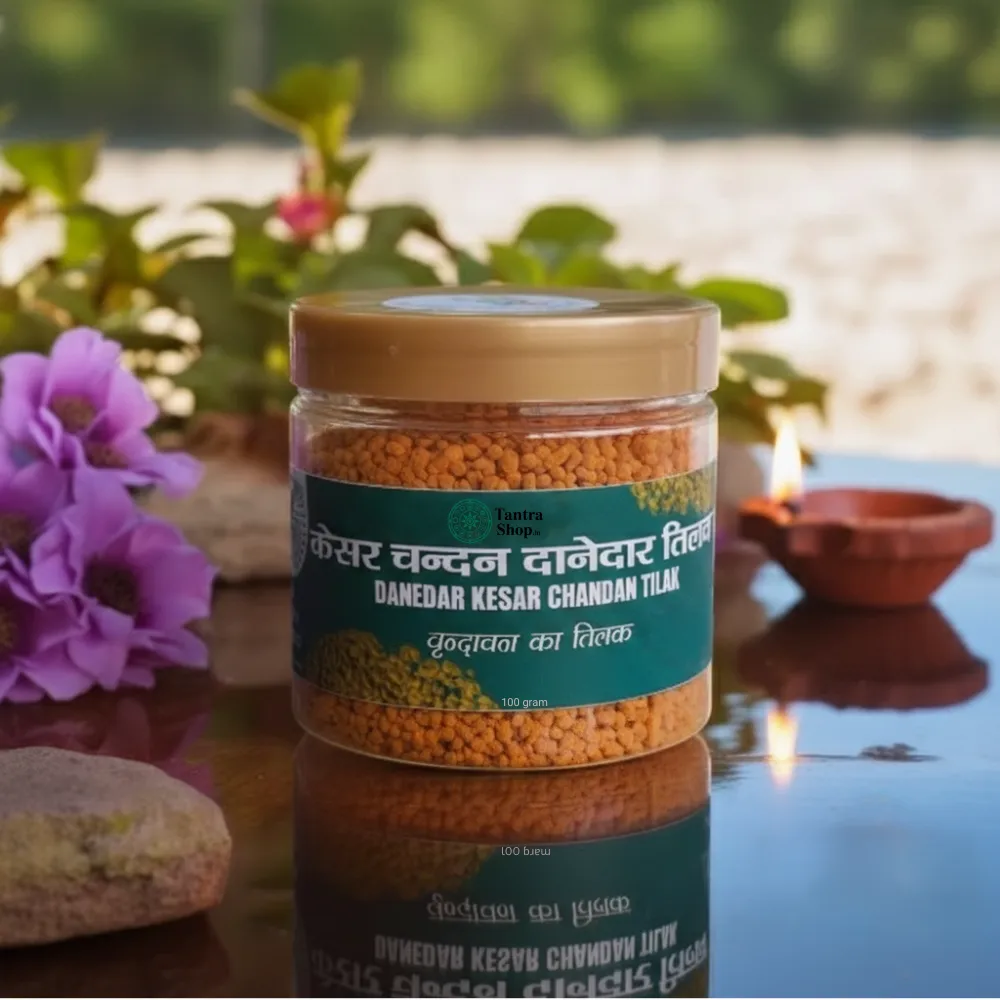
Pure & Original Kesar Ashtagandha Danedaar Chandan


Add comment