No products in the cart.

Need help? WhatsApp:
+91 8987811006
Menu
Categories
Sale
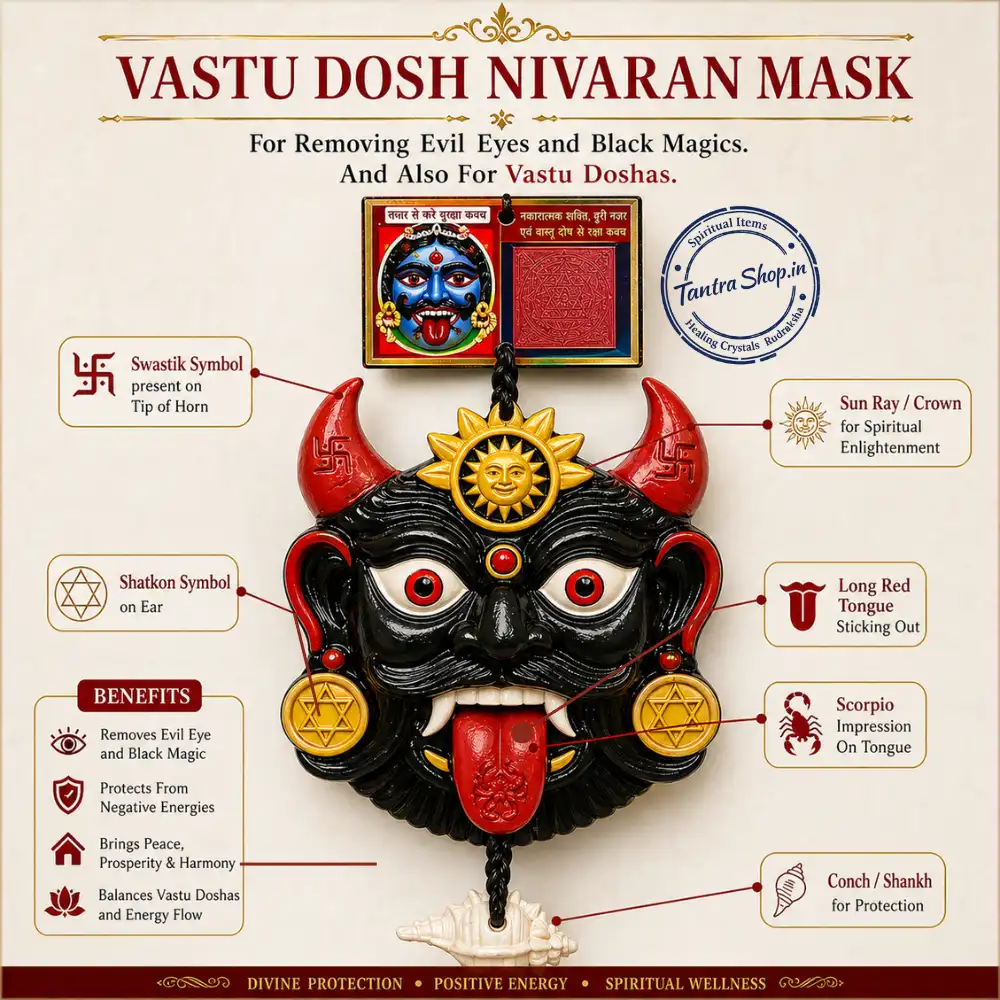
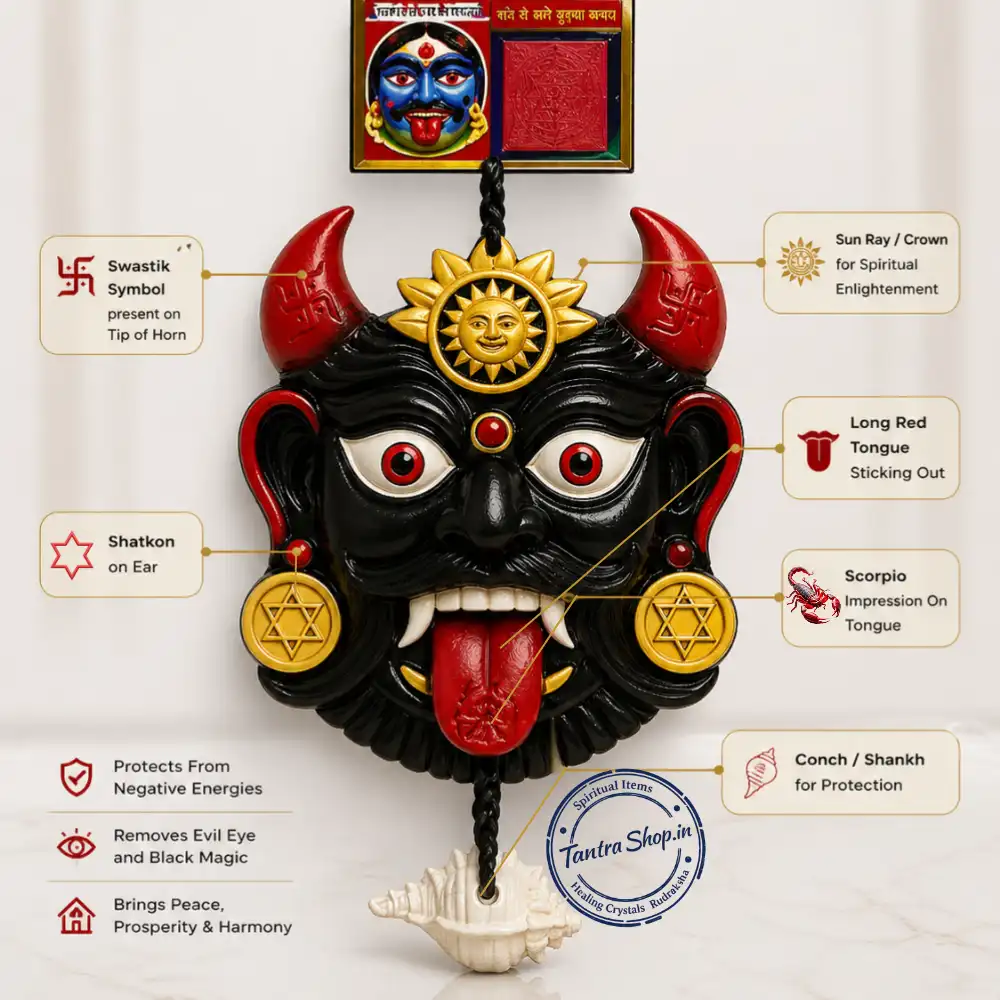
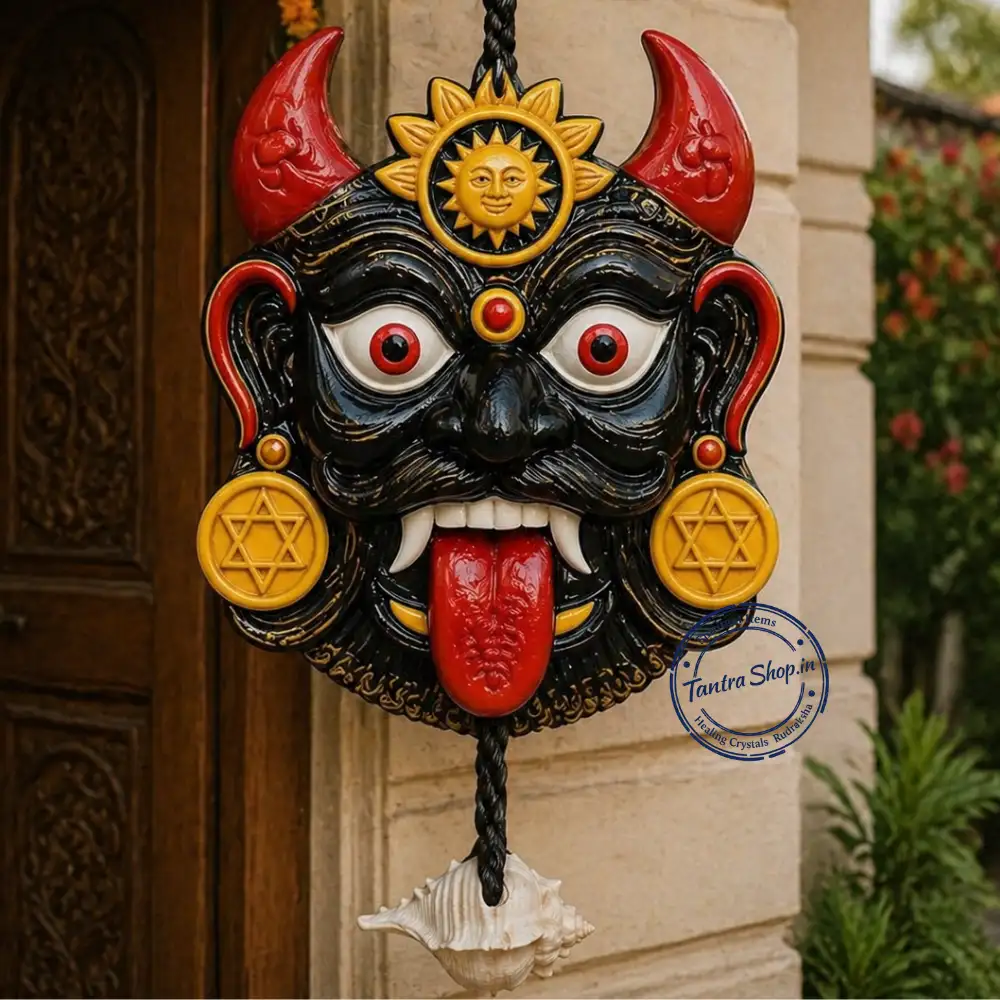
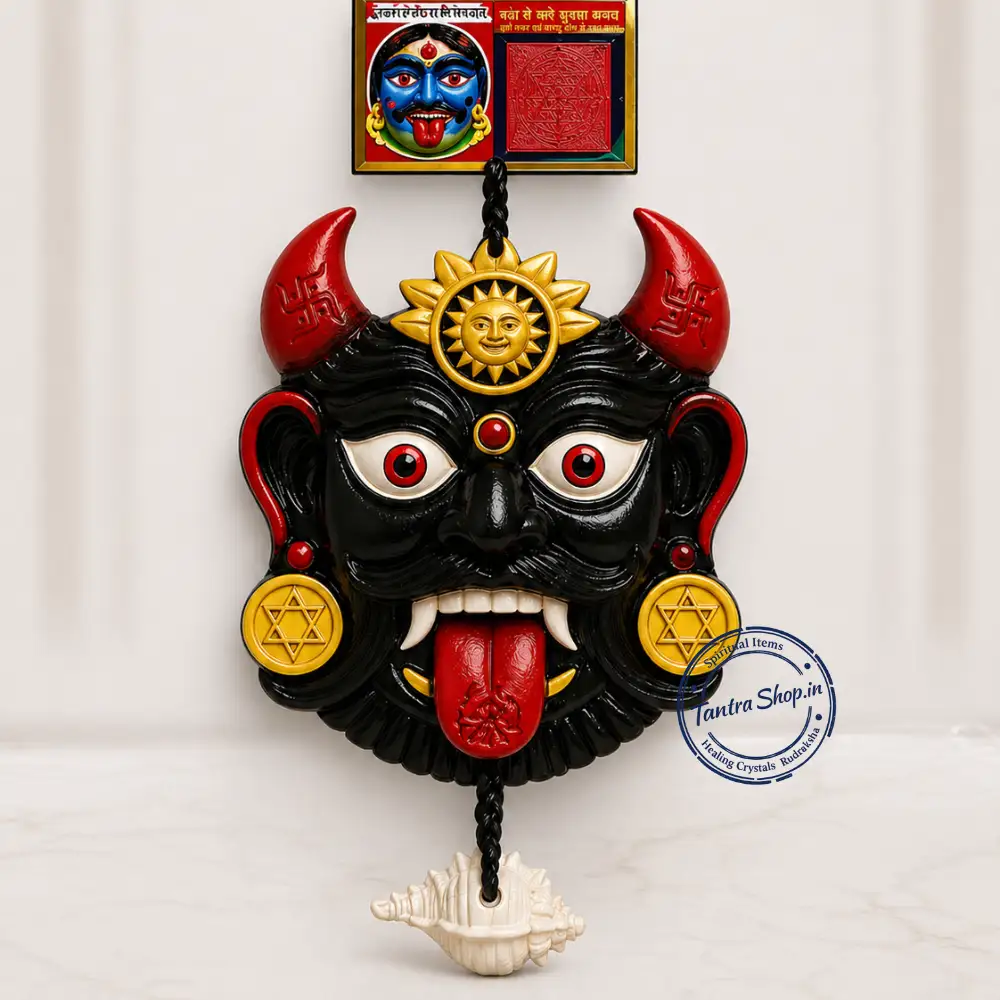
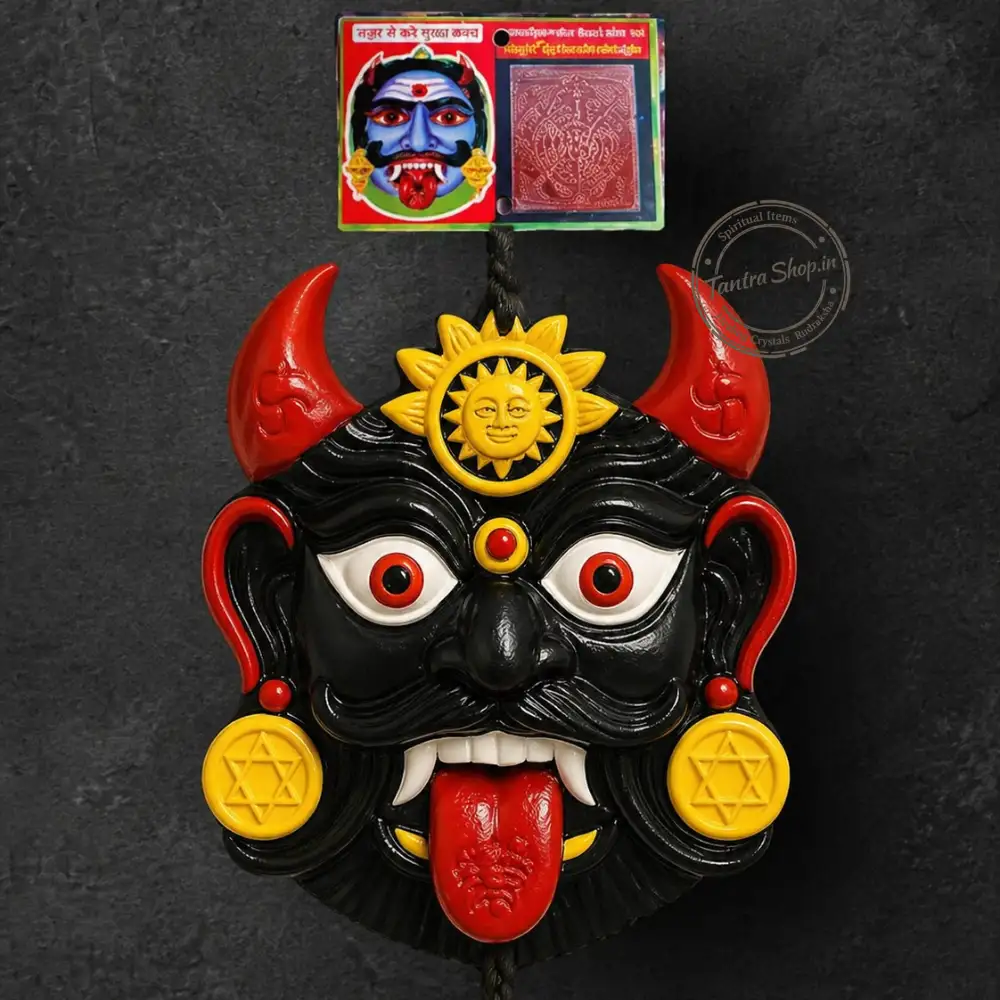



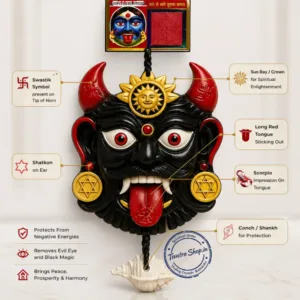
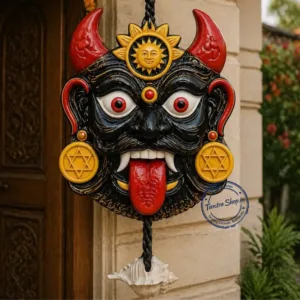
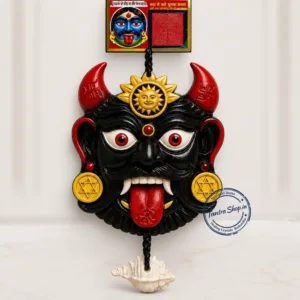
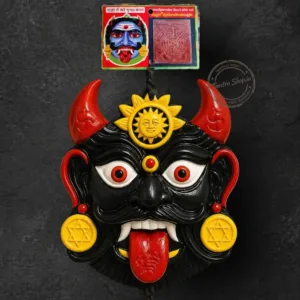



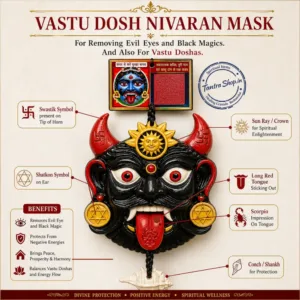
Kirti Mukha 10×12 Inch | Face of Glory | Nazar Battu Spiritual Wall Décor
Brand:
🦁✨ Kirti Mukha (Keerthi Mukha) | Swallowing Monster / Devouring Face | Kala Mukha | Simhamukha | Nazar Battu | Face of Glory | 10×12 Inch | Premium Spiritual Wall Décor | कीर्ति मुख / कीर्तिमुख | निगलने वाला मुख | काल मुख | सिंहमुख | नज़र बट्टू | फेस ऑफ ग्लोरी | 10×12 इंच | प्रीमियम आध्यात्मिक वॉल डेकोर
The Kirti Mukha (Keerthi Mukha), also known as Kala Mukha, Simhamukha, Grasamukha, Rahur-Mukha, or Nazar Battu, is a powerful symbolic face motif traditionally seen in temples, entrances, gateways, and sacred architecture.
Recognized as the “Face of Glory” in Sanskrit tradition, this symbolic form is widely used in spiritual décor, vastu placements, protective entrance décor, and temple-inspired interiors.
This premium 10×12 inch Kirti Mukha décor piece is carefully crafted for clear detailing, bold expression, and decorative spiritual presentation.
कीर्ति मुख भारतीय परंपरा में एक शक्तिशाली प्रतीकात्मक मुख माना जाता है, जिसका उपयोग मंदिरों, प्रवेश द्वारों एवं वास्तु सजावट में किया जाता है।
इसे नज़र सुरक्षा, शक्ति और शुभता का प्रतीक माना जाता है।
₹999.00 Original price was: ₹999.00.₹599.00Current price is: ₹599.00.
Buy more save more!
Buy from 2 to ∞ items and get 3% OFF
on each productBuy from 3 to ∞ items and get 5% OFF
on each productBuy from 5 to ∞ items and get 7% OFF
on each product
Estimated delivery:3 - 7 days
SKU:
TS6265
Tags: face of glory, keerthi mukha, kirti mukha, कीर्ति मुख, नज़र बट्टू
Categories: Tantra Product, Daily Deals
Your Payment is 100% Secure
🦁 Kirti Mukha – Sacred Face of Glory (Keerthi Mukha / Kala Mukha / Simha Mukha / Rahu Mukha / Nazar Battu Protection Face) | 10×12 Inch | Premium Spiritual Wall Décor
Kirti Mukha (Keerthi Mukha / Face of Glory / कीर्ति मुख) is one of the most powerful and symbolically significant protective motifs found in ancient Hindu temple architecture, tantric traditions, vastu systems, and sacred art. Known by several traditional names such as Kala Mukha, Simha Mukha, Grasamukha, Devouring Face, Swallowing Monster, Rahu Mukha, Rahur-Mukha, Vanaspati Mukha, and Nazar Battu Face, this fierce symbolic face represents protection, ego destruction, energy absorption, vigilance, and the guarding of sacred spaces.
The Sanskrit term “Kirti Mukha” literally translates to “Face of Glory”, signifying a divine guardian force that stands at the threshold between the sacred and the negative.
Traditionally, Kirti Mukha is depicted as a ferocious face with wide eyes, open jaws, fangs, and an intense expression, symbolizing the power to devour negativity, harmful intentions, jealousy, hostile influences, and destructive energies. In temple architecture across India and Nepal, Kirti Mukha is often carved above entrances, gateways, sanctum doors, pillars, yantras, and deity crowns, where it acts as a protective symbolic guardian.
The face is intentionally designed to appear fierce and all-consuming, representing the idea that lower vibrations, ego, greed, and negative tendencies are “swallowed” before entering a sacred environment.
According to traditional Shaiva legends, Kirti Mukha originated from the divine wrath of Lord Shiva. In one famous symbolic narrative, Shiva created a terrifying being from his third eye to destroy arrogance and disrespect. The being became so powerful and hungry that it began devouring itself on Shiva’s command, leaving only the face remaining. Shiva, pleased with its obedience and symbolic self-destruction of ego, blessed it with the name Kirti Mukha and declared that it would forever guard temples, sacred structures, and divine spaces. Because of this symbolism, Kirti Mukha is deeply associated with ego transcendence, vigilance, self-control, and spiritual protection.
In tantric and vastu traditions, Kirti Mukha is widely used as a Nazar Battu (evil-eye protector) and energetic shield. It is commonly placed above entrances, gates, temple doors, workspaces, vehicles, ritual chambers, meditation areas, and business establishments to symbolically absorb negativity and create a guarded energetic boundary. The wide-open mouth and intense gaze are considered symbolic mechanisms of watchfulness and energetic interception, making it a popular sacred emblem for those seeking a strong protective aesthetic combined with deep traditional meaning.
Kirti Mukha is also associated with Rahu symbolism, which is why names like Rahu Mukha or Rahur-Mukha are connected with it in certain regional traditions. The devouring aspect symbolizes the consuming nature of time (Kala), cosmic transformation, and the dissolution of lower consciousness. In many South Indian temples, Kirti Mukha is placed directly above deity idols, where it symbolizes the guarding of divine energy and the protection of sacred vibrations.
This Kirti Mukha is crafted with attention to traditional detailing, fierce facial symmetry, expressive eyes, ornamental structure, and sacred aesthetic authenticity. Whether made in metal, wood, stone, resin, or mixed traditional materials, it serves as both a powerful spiritual décor object and a traditional vastu-protective symbol. It is ideal for placement in home entrances, temples, meditation rooms, offices, yoga spaces, spiritual altars, or protective architectural installations.
Kirtimukha, also known as the “Face of Glory,” is one of the most powerful and sacred symbols in Hindu temple architecture, Tantra traditions, and Indian spiritual culture. The word “Kirti” means glory, fame, and divine honor, while “Mukha” means face, making Kirtimukha a symbol of divine power and protection.
According to the Skanda Purana, Kirtimukha originated from the fierce anger of Lord Shiva when a terrifying and extremely hungry being emerged from Shiva’s forehead to punish Rahu, the messenger of the demon king Jalandhara. When Rahu surrendered to Lord Shiva, the divine creature was ordered to stop, but due to its intense hunger, Lord Shiva instructed it to consume its own body. The creature obediently devoured itself completely, leaving only its face.
Impressed by this supreme obedience and surrender, Lord Shiva blessed it with the name “Kirtimukha” and granted it a sacred place above temple entrances and divine gateways as a protector against evil forces. Kirtimukha symbolizes the destruction of ego, spiritual transformation, divine protection, cosmic power, and the cycle of time (Kala).
In Indian Vastu Shastra and temple architecture, it is widely carved on temple doors, gopurams, arches, deity halos, pillars, yantras, and sacred structures to ward off negativity, evil energies, and the evil eye. The appearance of Kirtimukha is usually fierce and lion-like, featuring bulging eyes, sharp teeth, a wide-open mouth, and decorative vines or garlands emerging from its jaws.
Even today, Kirtimukha is considered highly auspicious for spiritual protection, Vastu correction, positive energy, and tantric defense, making it a timeless symbol of divine guardianship and sacred Indian heritage. Buy Premium Kirti Mukha (Keerthi Mukha) 10×12 inch wall décor. Traditional Face of Glory design for entrance, mandir, vastu, and spiritual interiors.
🦁 कीर्ति मुख – फेस ऑफ ग्लोरी (Keerthi Mukha / काल मुख / सिंहमुख / राहु मुख / नज़र बट्टू)
कीर्ति मुख (Kirti Mukha / Face of Glory) हिन्दू मंदिर वास्तुकला, तांत्रिक परंपरा, वास्तु शास्त्र और पवित्र कला में पाया जाने वाला एक अत्यंत शक्तिशाली एवं रक्षक प्रतीक है। इसे विभिन्न नामों से जाना जाता है जैसे — काल मुख, सिंहमुख, ग्रासमुख, राहु मुख, देवोरिंग फेस, निगलने वाला मुख, वनस्पति मुख और नज़र बट्टू। संस्कृत में “कीर्ति मुख” का अर्थ है “यश का मुख” या “महिमा का चेहरा”, जो दिव्य सुरक्षा और नकारात्मक शक्तियों के विनाश का प्रतीक माना जाता है।
कीर्ति मुख को सामान्यतः बड़ी आंखों, खुले मुख, दांतों और उग्र भाव वाले चेहरे के रूप में दर्शाया जाता है। इसका उद्देश्य नकारात्मक ऊर्जा, बुरी दृष्टि, ईर्ष्या, भय और अशुभ प्रभावों को “निगलना” माना जाता है। प्राचीन मंदिरों में इसे मुख्य द्वार, गर्भगृह, खंभों और देव प्रतिमाओं के ऊपर स्थापित किया जाता था, ताकि यह पवित्र स्थान की रक्षा कर सके।
पौराणिक कथाओं के अनुसार, कीर्ति मुख की उत्पत्ति भगवान शिव के क्रोध से हुई थी। कथा में वर्णित है कि भगवान शिव ने अपने तीसरे नेत्र से एक भयंकर शक्ति उत्पन्न की, जिसने अंततः स्वयं को ही निगल लिया और केवल उसका मुख शेष रह गया। भगवान शिव ने उसकी आज्ञाकारिता और अहंकार-विनाश के प्रतीक स्वरूप उसे “कीर्ति मुख” नाम दिया और मंदिरों का रक्षक घोषित किया। इसलिए कीर्ति मुख को अहंकार विनाश, सुरक्षा और चेतना जागरण का प्रतीक माना जाता है।
वास्तु और तांत्रिक परंपराओं में कीर्ति मुख को नज़र बट्टू और ऊर्जा सुरक्षा प्रतीक के रूप में उपयोग किया जाता है। इसे घर, दुकान, कार्यालय, मंदिर, ध्यान कक्ष, वाहन या प्रवेश द्वार पर लगाने से नकारात्मक प्रभावों को रोकने और वातावरण को सुरक्षित रखने का प्रतीक माना जाता है।
यह कीर्ति मुख पारंपरिक शैली में निर्मित होता है, जिसमें उसकी उग्र अभिव्यक्ति, सममित संरचना और रक्षक भाव को विशेष रूप से उकेरा जाता है। यह केवल सजावट नहीं बल्कि सुरक्षा, शक्ति और आध्यात्मिक जागरूकता का प्रतीक माना जाता है। कीर्तिमुख (Kirtimukha), जिसे “Face of Glory” अर्थात “महिमा का मुख” कहा जाता है, भारतीय मंदिर वास्तुकला, तांत्रिक परंपरा और सनातन संस्कृति का एक अत्यंत शक्तिशाली एवं शुभ प्रतीक माना जाता है। संस्कृत में “कीर्ति” का अर्थ यश, वैभव और महिमा तथा “मुख” का अर्थ चेहरा होता है।
स्कंद पुराण के अनुसार इसकी उत्पत्ति भगवान शिव के क्रोध से हुई थी, जब उन्होंने असुर जलंधर के दूत राहु को दंड देने हेतु अपनी भृकुटि से एक भयानक एवं अत्यंत भूखे प्राणी को उत्पन्न किया। भगवान शिव के आदेश पर उस प्राणी ने स्वयं का ही शरीर खा लिया और केवल उसका मुख शेष रह गया। उसकी आज्ञाकारिता और समर्पण से प्रसन्न होकर भगवान शिव ने उसे “कीर्तिमुख” नाम दिया और वरदान दिया कि वह सदैव मंदिरों, देव प्रतिमाओं और पवित्र स्थलों के प्रवेश द्वार पर विराजमान रहकर रक्षा करेगा। Kirtimukha को अहंकार के विनाश, नकारात्मक ऊर्जा से सुरक्षा, दिव्य शक्ति और काल (समय) का प्रतीक माना जाता है।
भारतीय वास्तुशास्त्र एवं शिल्पशास्त्र में इसे मंदिरों के द्वार, गोपुरम, तोरण, स्तंभ, यंत्र एवं देव प्रतिमाओं के प्रभामंडल पर विशेष रूप से स्थापित किया जाता है ताकि बुरी शक्तियों एवं नकारात्मकता को दूर रखा जा सके। इसका स्वरूप सिंह के समान उग्र मुख, बड़ी उभरी आँखों, खुले जबड़े और नुकीले दांतों वाला होता है, जिसके मुख से लताएँ एवं अलंकरण निकलते हुए दर्शाए जाते हैं। आज भी Kirtimukha को वास्तु सुरक्षा, आध्यात्मिक उन्नति, सकारात्मक ऊर्जा और तांत्रिक रक्षा के लिए अत्यंत शुभ माना जाता है तथा यह भारतीय कला, धर्म और आध्यात्मिक दर्शन का अद्भुत प्रतीक है।
⭐ Package Includes / पैकेज में क्या मिलेगा
- 1 x Kirti Mukha / Keerthi Mukha Sacred Face
- Premium Protective Packaging
- Suitable for Vastu, Temple & Decorative Use
- Ready for Wall Placement or Sacred Installation
⭐ About Kirti Mukha
🔮 What is Kirti Mukha? | कीर्ति मुख क्या है?
Kirti Mukha literally translates to “Face of Glory”.
It is traditionally represented as:
✔ A fierce protective face
✔ Symbolic devouring expression
✔ Temple guardian motif
✔ Sacred architectural emblem
➡️ Frequently seen above temple doors, sanctum entrances, gateways, and sacred structures.
⭐ Traditional & Symbolic Importance
Kirti Mukha is traditionally associated with:
✔ Entrance protection symbolism
✔ Sacred temple architecture
✔ Nazar battu style placement
✔ Traditional vastu décor
✔ Spiritual artistic representation
काल मुख / सिंहमुख को पारंपरिक रूप से सुरक्षा, शक्ति और शुभ ऊर्जा का प्रतीक माना जाता है।
⭐ 🌿 Top Benefits & Uses of Kirti Mukha (लाभ एवं उपयोग)
1️⃣ Traditional Entrance Décor / पारंपरिक प्रवेश सजावट
Enhances temple-style entrance aesthetics.
प्रवेश द्वार को पारंपरिक स्वरूप प्रदान करता है।
2️⃣ Nazar Battu Symbolism / नज़र बट्टू प्रतीक
Used as a symbolic protective décor element.
नज़र सुरक्षा के प्रतीक के रूप में उपयोग।
3️⃣ Temple-Inspired Design / मंदिर शैली डिज़ाइन
Inspired by ancient temple architecture.
प्राचीन मंदिर कला से प्रेरित।
4️⃣ Spiritual Wall Décor / आध्यात्मिक सजावट
Suitable for mandir walls and spiritual interiors.
मंदिर एवं आध्यात्मिक सजावट हेतु उपयुक्त।
5️⃣ Premium Artistic Presence / आकर्षक कलात्मक रूप
Bold facial detailing creates strong visual impact.
विशेष कलात्मक प्रभाव प्रदान करता है।
6️⃣ Vastu Décor Utility / वास्तु सजावट
Suitable for traditional vastu décor arrangements.
वास्तु सजावट में उपयोगी।
7️⃣ Symbolic Guardian Motif / संरक्षक प्रतीक
Commonly used above entrances and gateways.
प्रवेश द्वारों पर स्थापित किया जाता है।
8️⃣ Cultural Heritage Appeal / सांस्कृतिक विरासत
Represents traditional Indian spiritual art.
भारतीय आध्यात्मिक कला का प्रतीक।
9️⃣ Decorative Statement Piece / विशेष सजावटी वस्तु
Creates a distinctive spiritual focal point.
विशेष आध्यात्मिक आकर्षण प्रदान करता है।
🔟 Premium Display Quality / प्रीमियम डिस्प्ले गुणवत्ता
Large 10×12 inch size enhances visibility.
बड़ा आकार विशेष प्रभाव देता है।
⭐ Design & Craftsmanship
✔ Detailed facial carving & expression
✔ Traditional fierce symbolic structure
✔ Strong decorative presence
✔ Suitable for indoor wall display
➡️ Crafted for premium spiritual and traditional décor settings.
⭐ Size & Specifications
✔ Product Type: Kirti Mukha / Keerthi Mukha Wall Décor
✔ Other Names: Kala Mukha, Simhamukha, Grasamukha, Rahur-Mukha, Nazar Battu
✔ Approx Size: 10 × 12 Inches
✔ Usage: Entrance, Temple, Vastu & Wall Décor
✔ Finish & Material: Decorative Premium Finish / Polycarbonate (PC)
⭐ Usage Applications / उपयोग क्षेत्र
✔ Home entrance décor
✔ Mandir wall decoration
✔ Temple-inspired interiors
✔ Vastu placement
✔ Spiritual décor collections
⭐ Who Should Use / किसके लिए उपयुक्त
✔ Spiritual décor enthusiasts
✔ Temple-style interior designers
✔ Vastu décor users
✔ Traditional art collectors
✔ Mandir & entrance decorators
⭐ How to Use / उपयोग विधि
🕉️ Placement Suggestions
• Main entrance wall
• Temple doorway
• Puja room wall
• Decorative spiritual panel
🧼 Cleaning Method
• Use dry soft cloth
• Avoid excessive moisture
⭐ Product Specifications / उत्पाद विवरण
| Feature | Details |
|---|---|
| Product Name | Kirti Mukha / Keerthi Mukha |
| Other Names | Kala Mukha, Simhamukha, Nazar Battu |
| Size | Approx. 10 × 12 Inch |
| Usage | Wall Décor, Entrance, Temple |
| Finish | Premium Decorative Finish |
| Theme | Traditional Spiritual Art |
| Quality | Premium |
⭐ Key Highlights / मुख्य विशेषताएं
✔ Traditional Face of Glory Design
✔ Temple-Inspired Artistic Décor
✔ Premium 10×12 Inch Size
✔ Suitable for Entrance & Mandir
✔ Strong Decorative Presence
✔ Spiritual & Cultural Appeal
⭐ Package Includes
🔹 1 × Kirti Mukha Wall Décor
🔹 Secure Protective Packaging
⭐ FAQs / सामान्य प्रश्न
❓ Q1. What is Kirti Mukha?
✔ A traditional symbolic spiritual face motif used in temple architecture.
❓ Q2. What is the size?
✔ Approx. 10 × 12 inches.
❓ Q3. Where can it be placed?
✔ Entrance, mandir wall, spiritual décor areas.
❓ Q4. Is it suitable for home décor?
✔ Yes, suitable for spiritual and traditional décor themes.
❓ Q5. Is this also called Nazar Battu?
✔ Yes, it is also known by similar traditional names.
Be the first to review “Kirti Mukha 10×12 Inch | Face of Glory | Nazar Battu Spiritual Wall Décor” Cancel reply
Related products
Sale!
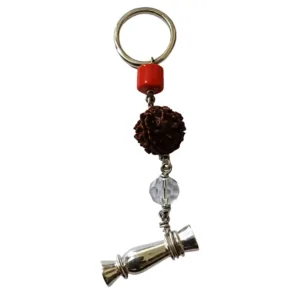
Nadi Janeu (नादी जनेऊ) – Authentic Nath Sampraday Sacred Yogic Thread
₹1,499.00 – ₹8,999.00Price range: ₹1,499.00 through ₹8,999.00Sale!

Shwetark Ganapati | Shwetark Ganesha | श्वेतार्क गणपति
Sale!
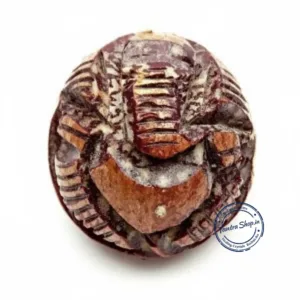
Natural Supari Ganesh (Ganesh Ji Shape)
Sale!
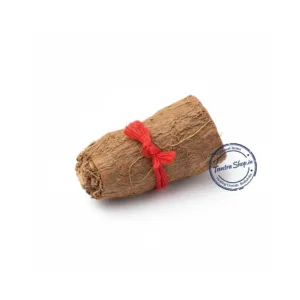
Natural Kalp Vriksha Jad – Energized Kalpataru Tree Root for Prosperity
Sale!

Original Bichhu Phal | Bicchu Jadi | Devil’s Claw Energized
 Kirti Mukha 10×12 Inch | Face ...
 ₹999.00 Original price was: ₹999.00.₹599.00Current price is: ₹599.00.

Reviews
There are no reviews yet.